Climate Change and the WASH Crisis in Southeast Asia
- CHHIMCANAL Bunneam
- Jun 29, 2023
- 3 min read

Updated: Jun 30, 2023
Climate change is a serious threat to water, sanitation, and hygiene (WASH) in Southeast Asia. The region is already experiencing the effects of climate change, such as more extreme weather events, rising sea levels, and changes in rainfall patterns. These changes are making it more difficult for people to access safe water, dispose of wastewater, and practice good hygiene. Cambodia is one of the most vulnerable countries to climate change's effects in Southeast Asia. Steng Treng, a province in northeastern Cambodia, is particularly at risk. The province is located in a floodplain and is prone to flooding and droughts. Climate change is making these events more frequent and severe, which is having a devastating impact on the WASH situation in the province.

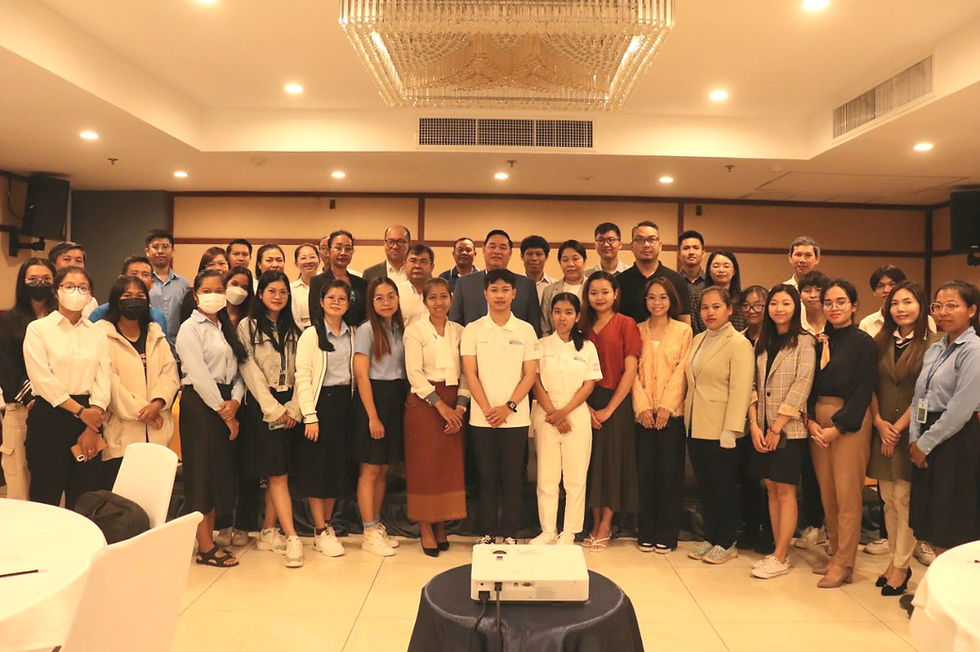
Photo Credit: Center for Sustainable Water (CSW)
During floods, sewage systems are often overwhelmed and contaminated water can seep into drinking water supplies. This can lead to outbreaks of waterborne diseases such as cholera and diarrhea. Droughts, on the other hand, can make it difficult for people to access safe water, as well as for farmers to grow crops. This can lead to food insecurity and malnutrition, further weakening people's immune systems and making them more susceptible to waterborne diseases.
Photo Credit: Center for Sustainable Water (CSW)

The effects of climate change on WASH in Sterng Treng are already being felt. In 2019, a severe drought in the province left millions of people without access to safe water. The drought also led to crop failures, further exacerbating food insecurity. In the same year, flooding caused by heavy rains displaced thousands of people and damaged water infrastructure. This made it even more difficult for people to access safe water and sanitation facilities.
The WASH crisis in Sterng Treng is a stark reminder of the need to take action on climate change. The international community must do more to reduce greenhouse gas emissions and help countries in Southeast Asia adapt to the effects of climate change. At the same time, governments in the region need to invest in WASH infrastructure and services to make them more resilient to climate change.
Here are some of the things that can be done to address the WASH crisis in Sterng Treng and other parts of Southeast Asia:
Invest in climate-resilient WASH infrastructure, such as rainwater harvesting systems and water treatment plants.
Promote water conservation and efficiency measures.
Improve access to sanitation facilities, especially in rural areas.
Educate people about the importance of hygiene and sanitation.
Strengthen early warning systems and disaster response plans.
By taking these steps, we can help to protect the health and well-being of millions of people in Southeast Asia and build a more sustainable future for the region.
Sure, here are some hashtags that you can use for a website about the effect of climate change on WASH issues in ASEAN, specifically Steng Treng, Cambodia:
Center for Sustainable Water (CSW)
ASEAN Foundation
References:
Climate Change and Water Security in Southeast Asia: A Regional Assessment. (2019). Asian Development Bank. https://www.adb.org/publications/climate-change-southeast-asia-focused-actions-frontlines-climate-change
Southeast Asia companies must recognize climate change risks. (2022, January 20). Nikkei Asia. https://asia.nikkei.com/Opinion/Southeast-Asia-companies-must-recognize-climate-change-risks
Water, sanitation, and hygiene (WASH) and climate change. (2022, March 8). UNICEF. https://www.unicef.org/wash/climate
The text also mentions the following sources:
A severe drought in Sterng Treng in 2019 left millions of people without access to safe water.
Flooding caused by heavy rains in Sterng Treng in 2019 displaced thousands of people and damaged water infrastructure.


Comments